Share:
In the world of student housing, safety is often defined by hardware — locks, lighting, and surveillance systems. But ask a student what makes them feel safe, and the answer goes deeper. It’s about people. Presence. Connection.
As campus safety continues to be a top concern for students and administrators alike, many institutions are rethinking what it really means to create a secure environment. It’s not just about physical infrastructure — it’s about fostering a sense of emotional safety and belonging.
From lighting and layout to staffing and support systems, the most effective campus housing strategies recognize that physical design and community connection work hand in hand to help students feel safe, supported, and at home.
At COCM, we manage student housing communities on nearly 40 campuses— and in every location, we’ve seen the same truth: connected campuses are safer campuses.
Here are three critical strategies we’ve seen make a measurable difference.
1. Design for Visibility and Movement
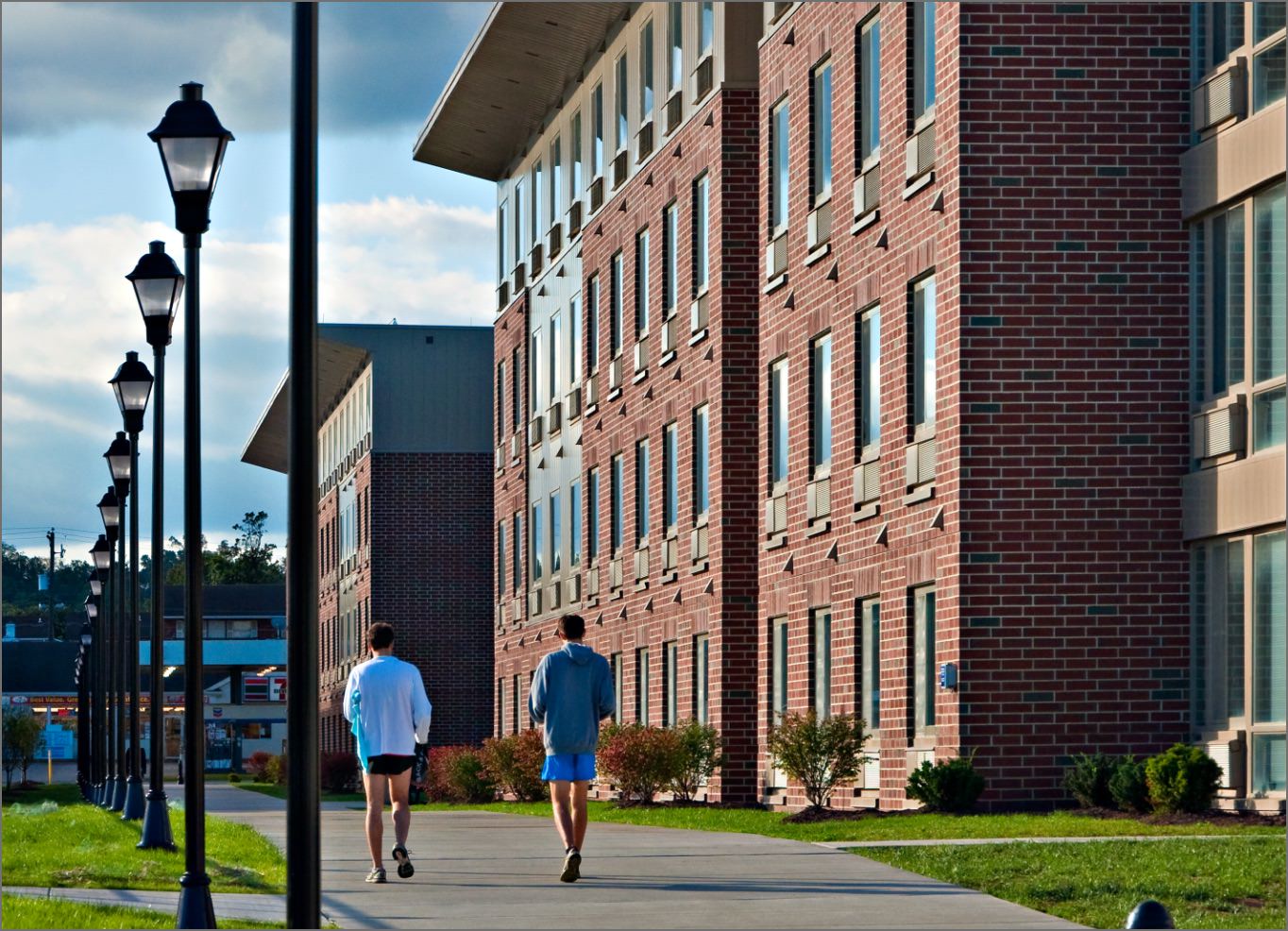
Safe campus design begins with clear sight lines and smart lighting. Pathways that are open, well-lit, and easy to navigate reduce risk and build psychological trust. Shrub height, building access zones, and sight lines from residence halls to transit routes matter more than you think.
Simple changes like motion-activated lighting, transparent entrance design, and collaborative safety walks (involving students and staff) are not just cost-effective — they’re immediately impactful.
2. Staff Presence Builds Trust
Technology supports safety. But it doesn’t replace people.
A well-trained, highly visible housing staff presence can reduce response time, improve student communication, and increase incident reporting. It’s not just about having someone “on call” — it’s about students knowing who’s around, what to expect, and how to get help.
Staff who are cross-trained in trauma-informed response, mental health referrals, and cultural competency help build inclusive, proactive safety cultures.
3. Community Is the Real Prevention Strategy
Belonging is a safety strategy.
Students who feel known — who have connections within their floor, residence hall, or RA community — are less likely to experience isolation, and more likely to look out for one another. Programming that fosters micro-communities, peer leadership, and regular interaction helps prevent issues before they escalate.
In our experience, housing that supports connection and belonging isn’t just “nice to have.” It’s essential.
Final Thought
Safety isn’t a department — it’s a culture.
Institutions that succeed in creating safer campus housing environments do so by balancing design, staffing, and community-building in equal measure. When students feel seen, supported, and empowered, the whole campus benefits.
Want to learn more about how COCM partners with institutions to create connected, student-first housing communities?
Let’s talk: cocm.com/contact